
Open Science Advocate Develops Scalable Method For Ruining Everyone's Day

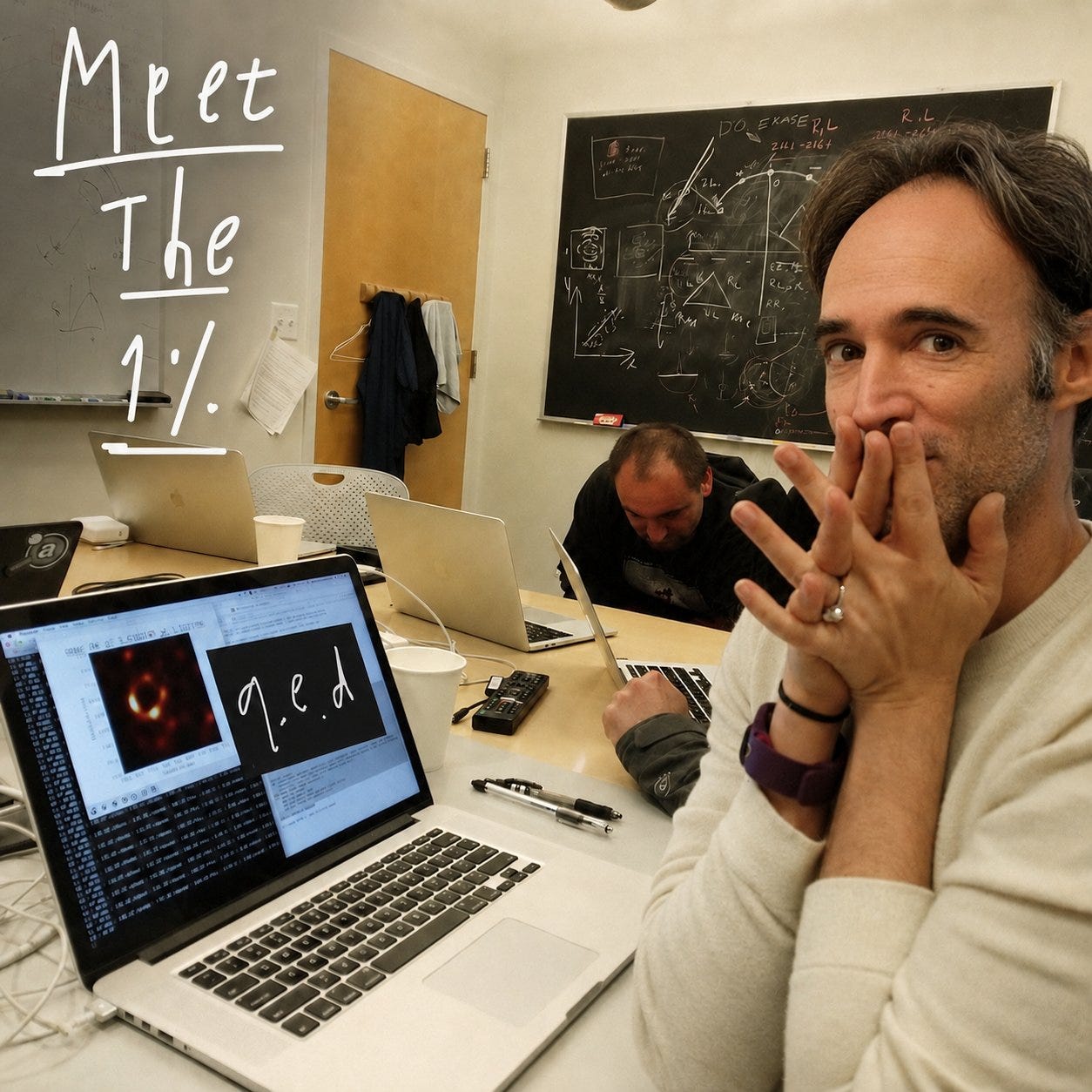
TEL AVIV, ISRAEL—In a breakthrough moment for professional disappointment, open science advocate Oded Rechavi demonstrated Tuesday a novel platform capable of ruining the mornings of 56,880 scientists simultaneously, a throughput traditional publishing could never achieve.
“Previously, ruining a scientist’s day required a dedicated editor, three reviewers, and six to eighteen months,” said a spokesperson for the study. “We’ve reduced that to six seconds per scientist with no human involvement. The method is scalable, reproducible, and requires no consent from participants.”
The platform, called QED, delivered AI-generated below-average scores to tens of thousands of researchers who had posted preprints. The rollout achieved a disappointment rate of approximately 56,880 simultaneous events across multiple time zones, a figure proponents of the site described as “just the beginning.”
“I woke up, opened my phone, and learned that a machine I’d never heard of had read my paper and decided it was below average,” said a cell biologist at the University of Edinburgh. “It was 7:14 in the morning.”
The machine had not read her paper. It had converted it into tokens, multiplied them through several billion weights trained on PubMed and whatever the hell else was on the internet the day they scraped it, and output a percentile.
Rechavi emphasized that "we are not here to shame anyone," referring to papers that received low scores. He then noted that scientists who received high scores could "download the report and share it, for example with your tenure, promotion, or hiring committee, or with your university PR department," actions he did not suggest for the 99% of pre-printers whose scores would be less useful for a tenure case.
“Finally the top 1% have a way to be recognized,” said a QED spokesperson, describing the benefit to 575 people while addressing zero concerns of the other 56,880.
The spokesperson went on to describe the platform’s next phase, which seeks to score preprints in real time, reducing the interval between sharing one’s work and feeling terrible about it to under one minute.
In awe of the hilarity.